Boris Khesin

Boris Khesin

Economics & Computer Science — Grinnell College, Class of 2028

I study Economics and Computer Science at Grinnell College, and I like work where data, business, and software meet. In summer 2026 I consulted for a Minneapolis construction firm and shipped an internal system the whole company now runs on. I lead Grinnell's Debate Union, mentor students in economics and statistics, and run econometric research that tries hard to break its own results.

I also build things — an iOS app, a 16-bit CPU from logic gates, a language model I taught myself to fine-tune, and a campus vending business that took second of eleven teams at Grinnell's startup weekend. In spring 2027 I head to Shanghai to study international business.

Technology Consulting Intern Topcon Consulting (client: Watson-Forsberg)

Placed with Watson-Forsberg, a 20-person Minneapolis construction firm. Gathered requirements from the staff themselves and delivered an internal event-planning system that replaced the three-year-old spreadsheet the firm had run on — in production today across $40,000 of event budget, 50+ events, a 300+ person directory, and 178 companies. Built it in Django, wired into Unanet, Procore, and the firm's Microsoft systems; also handled first-line IT support across those platforms and turned spending across 50+ events into budget projections.

Read the story →
Product Manager Intern Tinkoff Bank

Worked directly with the product manager on an 8-person team at one of the world's largest digital banks, building a React.js Q&A and gamification app for Central University students; shaped the user flows, built the Figma prototypes, and ran the sprint backlog in Trello.

Peer Mentor, International Economics Grinnell College

Guided 20+ students through trade theory and international finance; led weekly review sessions and gave feedback on problem sets.

Peer Mentor, Applied Statistics Grinnell College

Led weekly sessions on regression, hypothesis testing, and probability using R and Excel for 25–30 students — mentoring in two departments in the same semester.

Grader, Functional Programming Grinnell College

Evaluated assignments and exams for a Scheme/Racket course with written feedback on code and algorithm design; ran the grading workflow to weekly deadlines.

Mentor / Tutor, Yandex Academy Yandex

Became an unpaid mentor/tutor after finishing Yandex Academy's backend course as a student; taught 50+ students C++ and Python one-on-one and in small groups, and supported their Django projects through code review.

Read the story →

Also —

Event Worker, Swimming Team Grinnell College

Lane timer at competitive swim meets, including official NCAA events.
GPT Fine-Tune — Self-Taught Transformers

Python · Machine Learning

In early 2023, with no course and no mentor, I learned how transformers work in about three weeks and fine-tuned ruGPT3XL — Sber's 1.3-billion-parameter Russian GPT-3 — to reproduce how my friends text. I wrote a custom scraper to build and clean the training set from a group chat's full message history, and engineered my own compute access on an old laptop after the usual cloud services turned out to be closed to me where I lived. I presented the work at the Sistema Camp summer program, to representatives from Tinkoff, Sberbank, and MTS — which led to the product internship at Tinkoff Bank.

Read the story →

PIPS — 16-bit CPU & Assembler

Logisim · Python

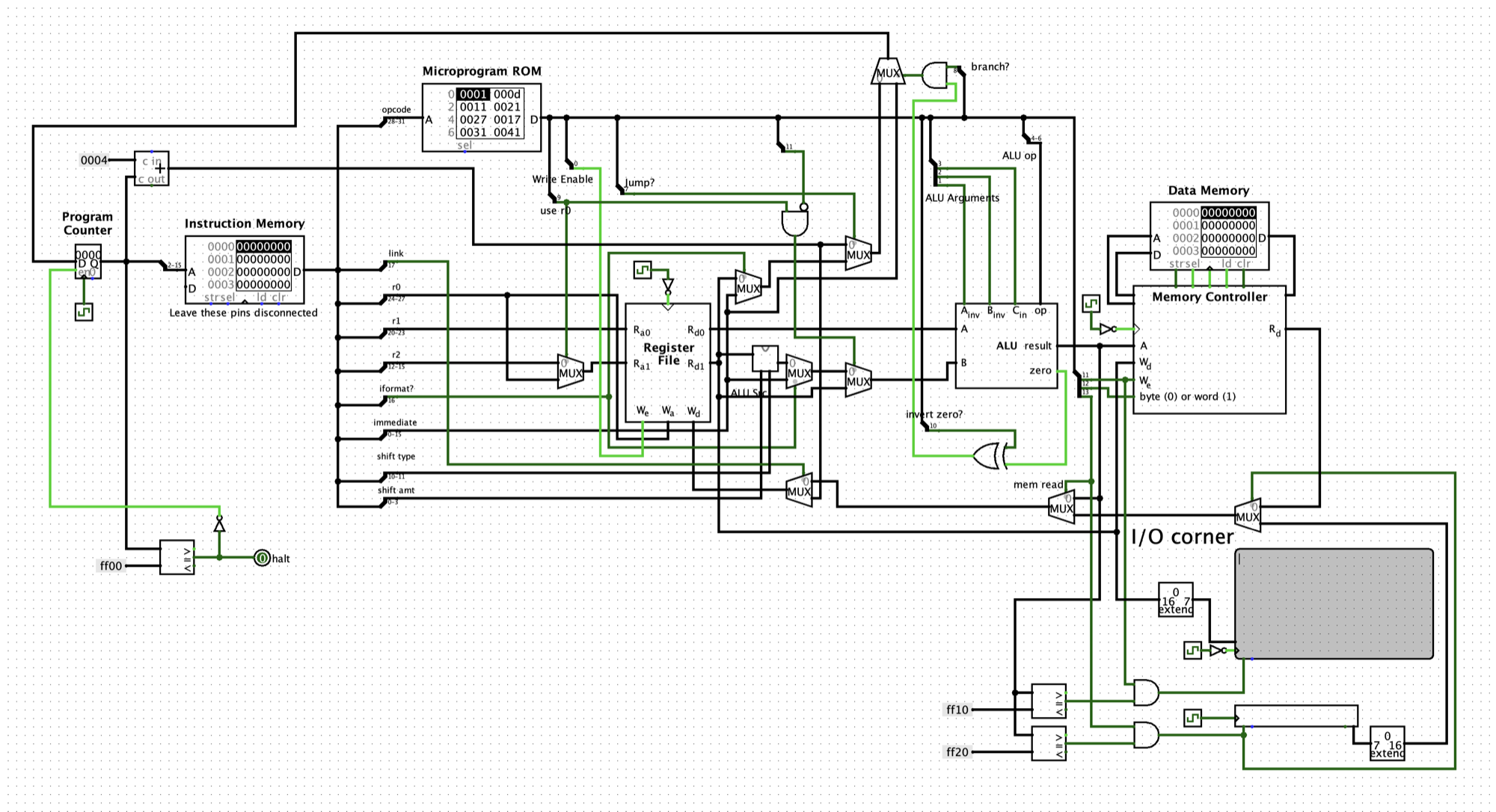
A microcoded 16-bit CPU built with Rayane Nossair in Logisim for Computer Organization & Architecture (CSC-211), with a custom ALU, register file, and shifter driven by a control-ROM microprogram across 16 opcodes. Paired with a Python assembler supporting 40+ instructions, verified with 14 test programs spanning recursion, arithmetic, and memory-mapped I/O. The project earned a perfect score. The code stays private — it is graded coursework, and publishing a solution would hand next year's class the answer. I am happy to walk through it privately.

The PIPS processor datapath in Logisim: program counter, instruction memory, microprogram ROM, register file, ALU, and data memory wired together.
The full datapath in Logisim — control ROM, register file, ALU, and memory-mapped I/O.

Event Planner

Django · Python

The internal event-planning application built for Watson-Forsberg and still in production firm-wide: synchronized with Unanet, Procore, and Microsoft corporate systems, with budget projections and Google Maps. Carries $40,000 of event budget, 50+ events, 300+ contacts, and 178 companies.

Tarot App

Swift · SwiftUI

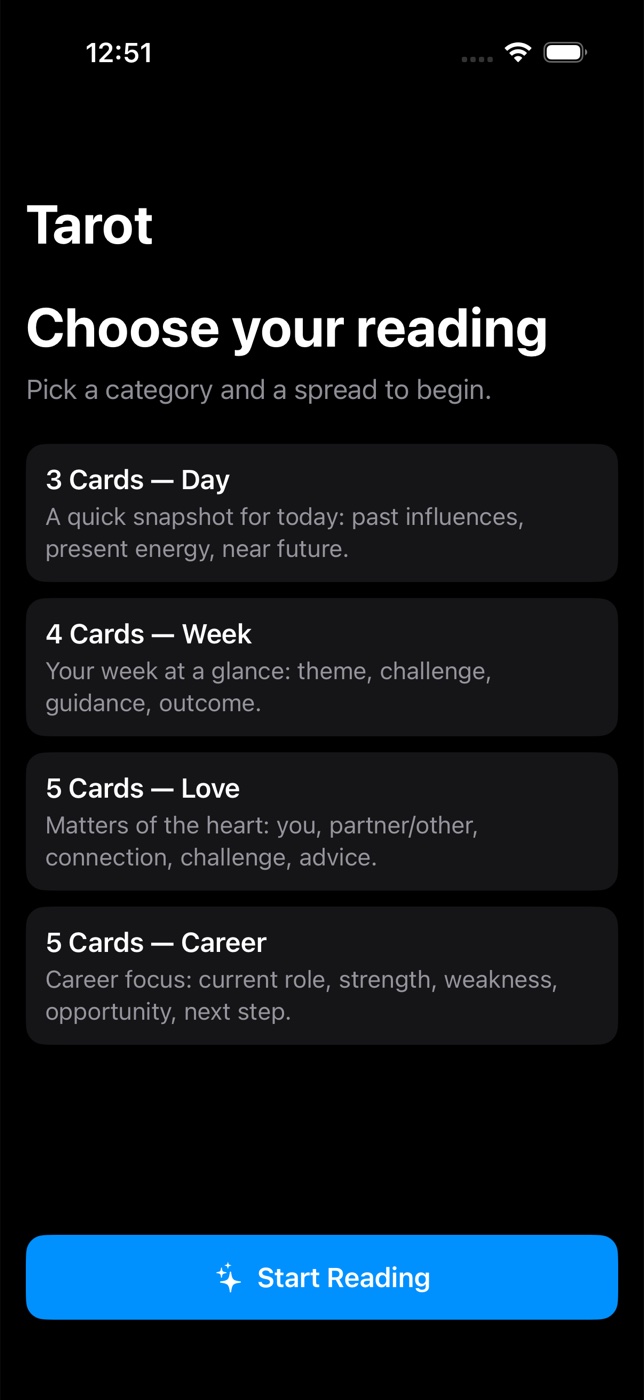
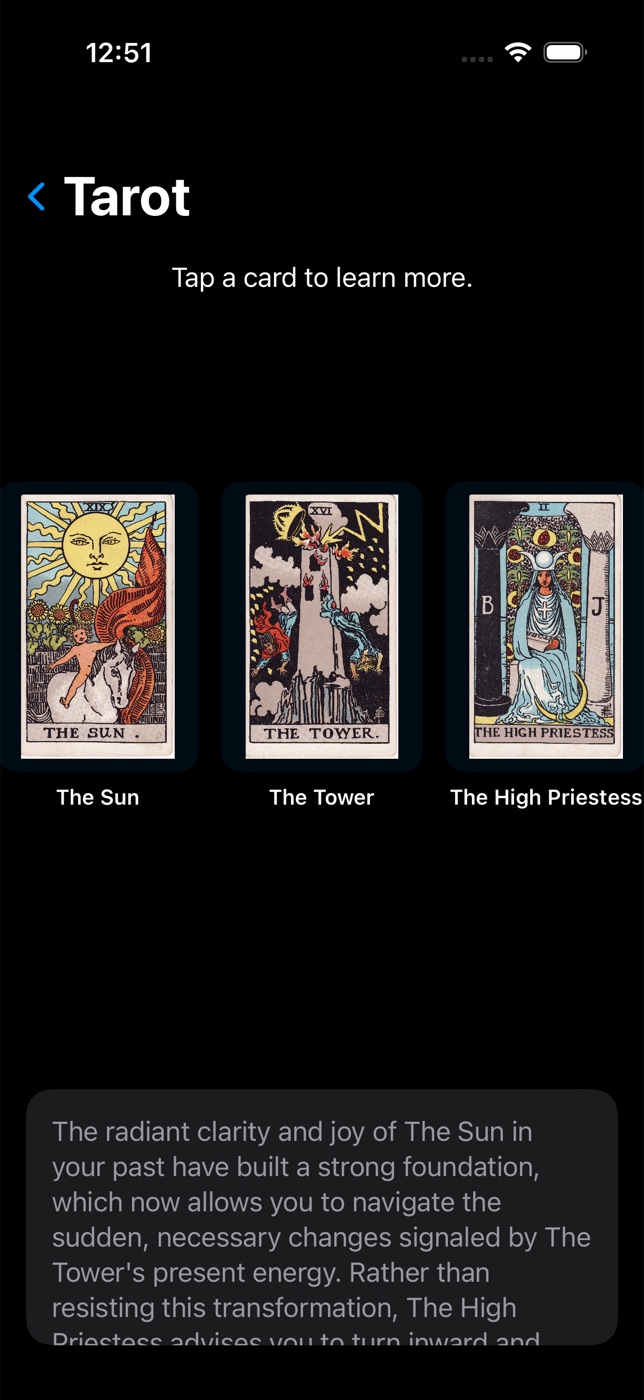
An iOS app for AI-powered tarot readings. Pick a spread — a 3-card Day, 4-card Week, or 5-card Love or Career reading — draw the cards, and get a Gemini-written interpretation of the whole spread. Every card also has its own page, an almanac of meanings across day, love, and finance drawn from Stefanie Caponi's Guided Tarot. Built to Apple's Human Interface Guidelines.

The Tarot app's reading picker, listing 3-card Day, 4-card Week, 5-card Love, and 5-card Career spreads.
Choosing a spread.
A three-card tarot spread — The Sun, The Tower, The High Priestess — with an AI-generated reading below.
A spread with a Gemini-written reading.

Non-Human Vision

Unity · C#

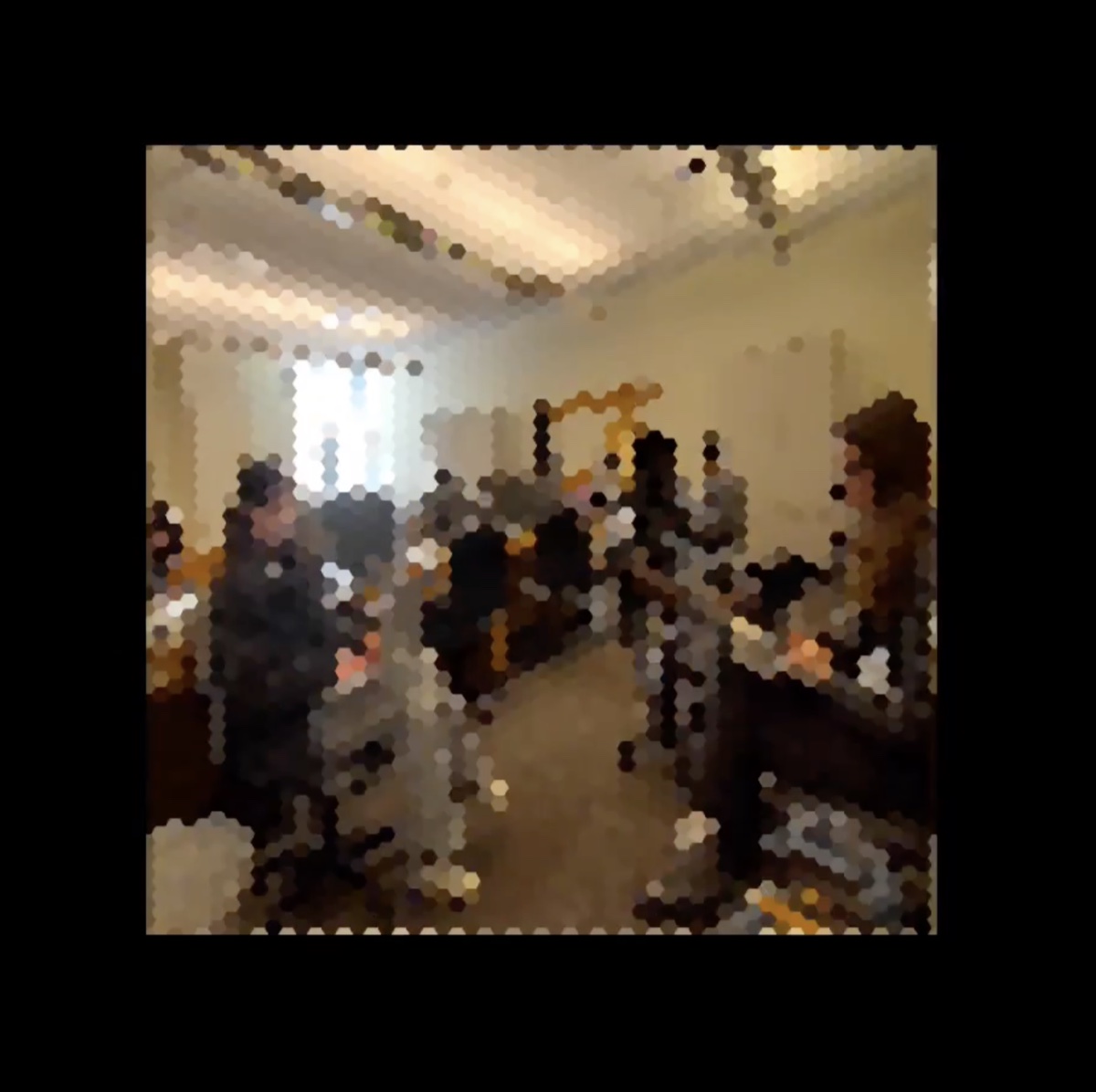
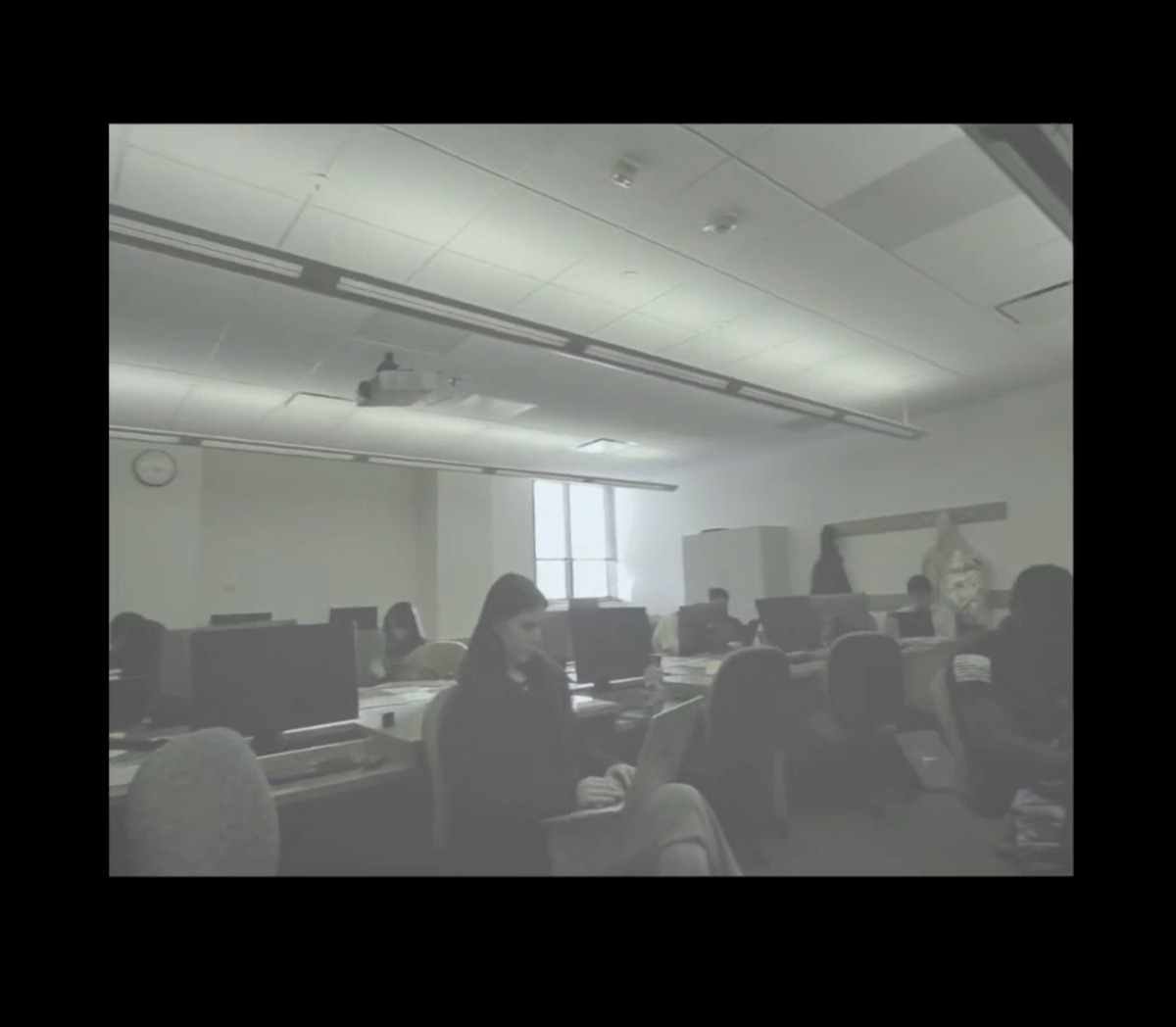
A VR/XR simulation of non-human animal visual systems, built with a team as the final project for Software Design & Development (CSC-324). My part was the graphics: custom shaders replicating species-specific color perception and fields of view.

A room rendered as a mosaic of hexagonal tiles, simulating a bee's compound-eye vision.
Bee — the compound eye, rendered as a hexagonal mosaic.
A classroom rendered in muted blues and yellows with reds washed out, simulating a dog's dichromatic vision.
Dog — dichromatic vision, with reds and greens collapsed toward yellow.

Grinnell Rating Extension

JavaScript · Chrome · Python

A Chrome extension that puts Rate My Professors scores on Grinnell's course registration page, next to each instructor's name while you register. A content script rewrites the faculty cell with the rating, the number of ratings, would-take-again, difficulty, and a link to the profile, and watches the table, since results reload as you page and filter. The 190-professor database ships inside the extension, so nothing is fetched while you browse and it asks for one page's access and no more. A separate Python job builds that file: Selenium walks the college's own course search to collect every instructor teaching, then each name is matched against Rate My Professors and confirmed by hand, because matching names across two sites is unreliable. Built in August 2024, my first month at Grinnell. Both the extension's popup and its README say the same thing — a rating is a poor sole measure of a course, and the data goes stale.

State Corporate Income Taxes and New Business Formation in the United States

with B. Pilling — Grinnell College, May 2026 · Stata

A balanced state-year panel (51 jurisdictions, 2004–2020; 867 observations) testing whether top marginal state corporate tax rates deter new firm entry. Pooled OLS, two-way fixed-effects, and 2SLS specifications with state-clustered standard errors and a regional-average-rate instrument; a large-state exclusion and a one-year-lead placebo for robustness. The negative cross-sectional association does not survive fixed effects or IV, and the null result is reported.

Read the paper (PDF) →

Economic, Demographic, and Policy Factors in COVID-19 Mortality Across Countries

with B. Pilling and J. Pada — Grinnell College, December 2025, revised July 2026 · R

A cross-national analysis of COVID-19 deaths per capita and per case, built on an October 2020 snapshot and the 149 countries with complete data. Linear regressions on logged outcomes in R, with nested-model F-tests and residual diagnostics: HDI carries the deaths-per-capita model on its own, and log population density is the only term that holds up individually for deaths per case. I wrote most of the R and structured the paper. These are associations between country traits and reported figures — richer countries also test and report more — not causes, and the paper says so.

Read the paper (PDF) →
Grin & Go — Second of 11 Teams Pioneer Weekend Entrepreneurial Contest

In 48 hours, a team of five — Syed Hassan, Daria Haynie, Virginia Oliver, Raahim Sodha, and me — designed Grin & Go, a campus network of refrigerated smart vending machines stocked with real food, open at 2 a.m. I owned the financial model and the rollout: unit economics from sourced costs to a break-even at 40.4% of expected spending (roughly 650 of 1,700 students) and $110,000 of projected annual profit, staged in three phases so each phase funded the next. Second of 11 teams on September 28, 2025, a $1,500 prize, and personal recognition from Grinnell College President Anne Harris.

Read the story →
Debate Leader Grinnell College Debate Union

Co-lead a student-run debate society with no faculty advisor: direct weekly meetings, organize competitive travel and resources, and mentor members on argumentation and strategy.

AI & Competitive Programming Centre for Teaching Excellence

Self-taught transformer architectures and fine-tuned a GPT model on limited hardware, presenting the work at an AI conference that led to the Tinkoff internship. Algorithms training covered automata, minimum spanning trees, dynamic programming, graphs, strings, and segment trees.

Programming Languages

Python, C++, Swift, R, SQL, JavaScript, HTML/CSS, Scheme/Racket

Frameworks & Tools

Django, React.js, SwiftUI, Unity (C#), WebGL, Selenium, Git, LaTeX, Logisim, Figma, Trello; Unanet, Procore, Microsoft Entra

Quantitative & Analytical

Stata, R, Python (pandas, NumPy), Excel; regression, hypothesis testing, panel econometrics (fixed effects, instrumental variables, 2SLS), clustered standard errors, robustness and placebo testing, unit-economics and break-even modeling

Languages

Russian (native), English (fluent), Mandarin Chinese (beginner — coursework Fall 2026, study abroad Spring 2027)

Grinnell College BA, Economics & Computer Science

GPA 3.77, and Dean's List every term since my first.

Economics
Econometrics · Microeconomic Analysis · International Economics · Applied Statistics · Calculus II
Computer Science
Data Structures & Algorithms · Discrete Structures · Computer Organization & Architecture · Software Design & Development
Fall 2026
Analysis of Algorithms · Operating Systems & Parallel Algorithms · Macroeconomic Analysis · Beginning Chinese
IFSA — Shanghai International Business; Mandarin Chinese

A semester abroad studying international business, after beginning Mandarin at Grinnell in Fall 2026.

Moscow State School 57 Mathematics & Computer Science Track

GPA 4.0.